Plating Like a Pro

Pardeep Singh
| 20-04-2026
 · Food Team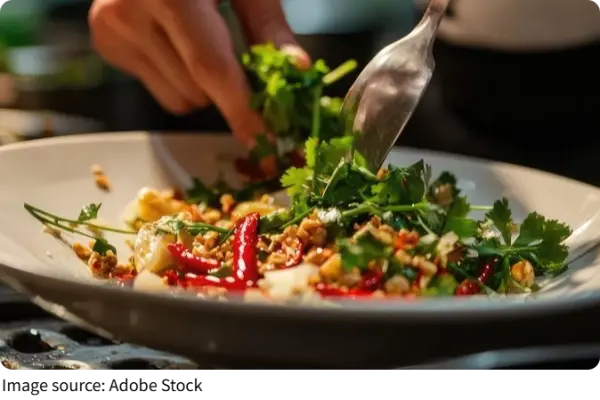
We eat with our eyes long before the first forkful reaches our mouths. You could spend hours simmering a delicate sauce or sourcing the freshest organic vegetables, but if the final result looks like a cluttered mess on the plate, the perceived value of your effort plummets.
Professional chefs understand that presentation is a psychological tool; it heightens anticipation and actually makes the food taste better by priming our senses. Elevating your home dining experience does not require expensive kitchen gadgets or years of culinary school.
It simply requires an understanding of balance, color, and the strategic use of empty space.
The Power of White Space and Scale
One of the most common mistakes home cooks make is overcrowding the plate. When food is piled high and touches the rim, it feels chaotic and heavy. Professionals treat the plate like a canvas, using "negative space" to draw the eye toward the center of the dish.
Choose a large, neutral-colored plate—white or slate gray are excellent choices—to allow the colors of your ingredients to pop. Place your main component slightly off-center or right in the middle, leaving a wide margin around the edges. This creates a sense of elegance and luxury. If you are serving a small portion, use a smaller dish; a tiny piece of fish on a massive platter can look lonely rather than artistic. The goal is a harmonious ratio between the food and the ceramic surface.
Building Height and Texture
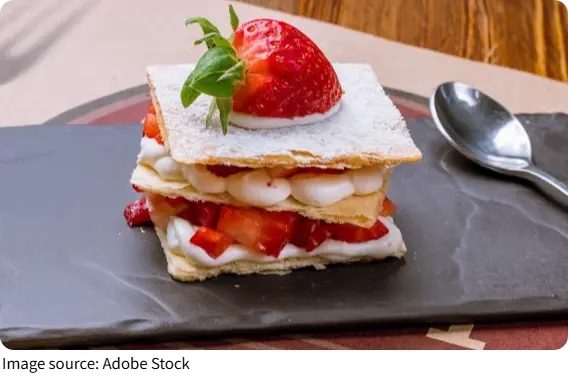
Flat food is uninteresting food. To create a visual "wow" factor, you need to think in three dimensions. Instead of laying your components side-by-side, try layering them upward. Start with a base—perhaps a smooth cauliflower purée or a bed of wild rice—and lean your protein against it.
Stacking creates a focal point and makes the dish look more substantial and professional. You can also use "structural" garnishes to add a final vertical element. A crisp vegetable ribbon or a sprig of fresh herbs tucked into the top adds immediate sophistication. Consider the following techniques to add structural variety:
1. Use a ring mold to create perfectly cylindrical towers of grains or chopped salads.
2. Shave vegetables like carrots or cucumbers into long, thin ribbons and curl them using ice water.
3. Create a "swoosh" of sauce using the back of a spoon to provide a foundation for your protein.
4. Slice meats at an angle to reveal the interior texture and create more interesting shapes.
Mastering Color Contrast
A monochromatic meal is rarely appetizing. Imagine a plate of grilled white fish, mashed potatoes, and steamed cauliflower—it looks bland because it is bland. To fix this, use the natural vibrant colors of produce to create a visual explosion.
Aim for at least three different colors on the plate. Contrast cool greens with bright oranges, or deep purples with vivid reds. If your main dish is naturally brown or beige, use a vibrant herb oil or a bright citrus zest to break up the monotony. Remember that the garnish should always be edible and relevant to the dish. A scattering of pomegranate seeds might look beautiful, but they should only be there if their tartness complements the flavor profile of the meal.
The Finishing Touches: Cleanliness and Detail
Precision is the hallmark of a great chef. Before the plate leaves your kitchen counter, take ten seconds to inspect it. Use a clean cloth dampened with a little white vinegar to wipe away any stray drips of sauce or fingerprints from the rim of the plate. These tiny imperfections can distract from an otherwise beautiful presentation.
Finally, consider the "scatter" technique for small elements like microgreens, crushed nuts, or edible flower petals. Instead of placing them in a clump, drop them from about six inches above the plate. This creates a natural, effortless look that feels organic rather than forced.
In our busy lives, we often rush through the process of eating, viewing it as mere fuel for the body. However, taking the extra two minutes to plate your food with intention changes your relationship with the meal. It forces you to slow down, appreciate the ingredients, and acknowledge the work you put into the cooking. Plating is an act of mindfulness. When we present a beautiful dish to ourselves or our guests, we are saying that the experience of nourishment is worthy of beauty. It turns a standard Wednesday night dinner into a moment of genuine celebration.